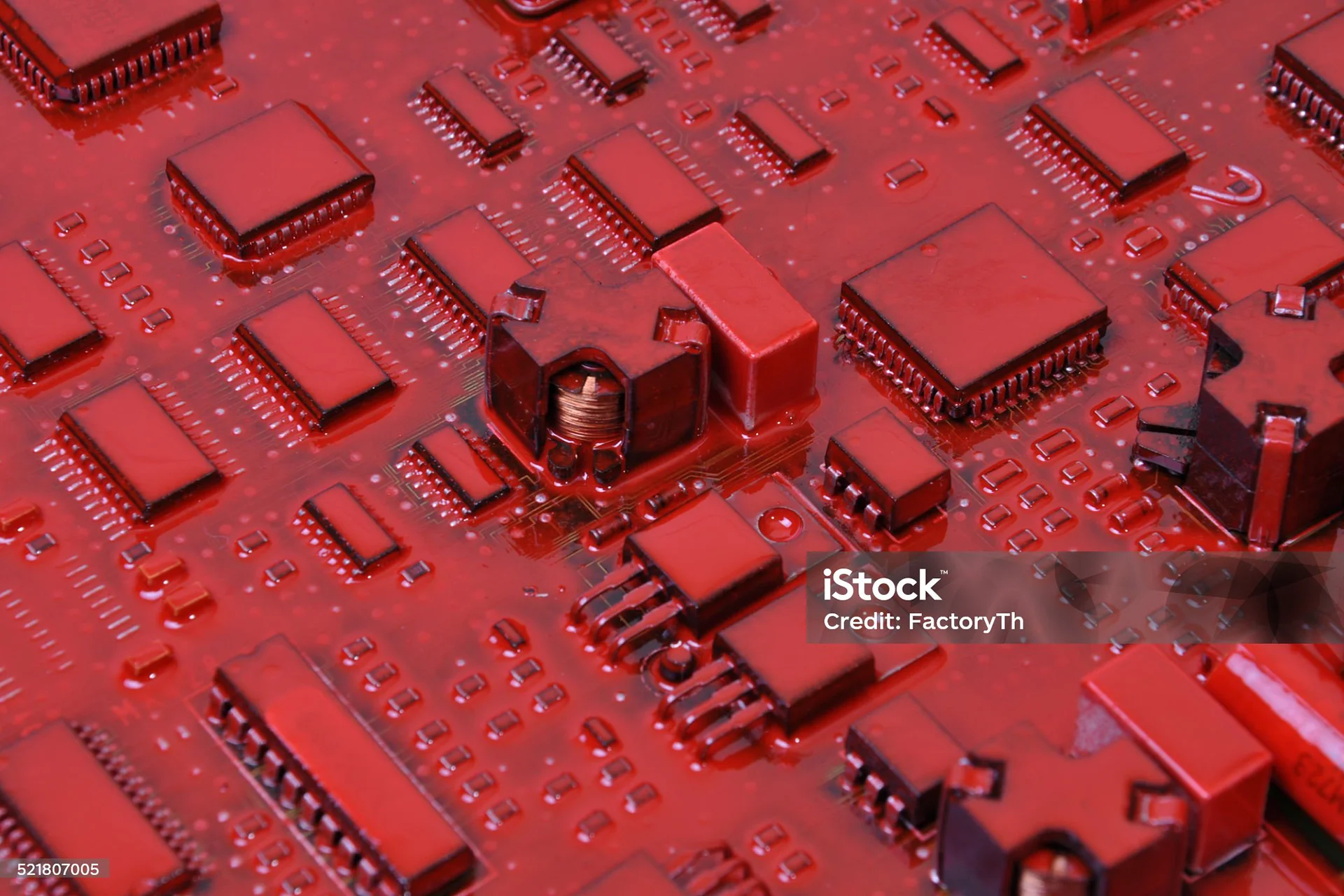
Is It Necessary to Clean Electronic Assemblies Before Conformal Coating?

Cleaning electronic assemblies before conformal coating is essential for ensuring strong coating adhesion, preventing moisture penetration, and reducing electrochemical corrosion risks in modern PCB manufacturing.

Why Conformal Coating Is Used in Electronics Manufacturing

Conformal coating is widely used in electronics manufacturing to improve the robustness and long-term reliability of electronic assemblies operating in harsh environments. The protective coating acts as a barrier against external influences such as:

  • High humidity
  • Dust and particles
  • Water exposure
  • Chemical vapors
  • Corrosive environments
  • High-frequency vibrations
  • Temperature fluctuations

By protecting sensitive electronic components and conductor structures, conformal coatings help extend product lifetime and improve operational reliability in demanding applications.
Why Surface Cleanliness Is Critical Before Coating

For conformal coating to provide effective long-term protection, the coating layer must properly adhere to the surface of the electronic assembly. Surface contamination can significantly reduce coating adhesion and compromise the protective performance of the coating system.

Electronic assemblies may contain multiple types of contamination, including:

  • Soldering flux residues
  • Ionic contamination
  • Oils and greases from handling
  • Dust and particles
  • Process-related residues

These contaminants can interfere with the bonding between the coating material and the PCB surface, leading to defects and reliability issues.

How Contamination Affects Coating Adhesion

When contamination remains on the surface before coating, several problems can occur:

  • Blistering of the coating layer
  • Peeling or delamination
  • Reduced hermetic protection
  • Moisture penetration beneath the coating
  • Localized coating failures

Even small amounts of contamination can create weak adhesion points where moisture and environmental contaminants may later penetrate the protective layer.

The Risk of Moisture Beneath the Coating Layer

One of the greatest risks associated with insufficient cleaning before coating is the accumulation of moisture beneath the protective layer.

When a coated electronic device is switched on during operation, the assembly temperature rises. This temperature increase also raises the pressure beneath the coating layer if trapped moisture is present.

The combination of:

  • Moisture
  • Heat
  • Pressure
  • Ionic contamination

creates ideal conditions for electrochemical corrosion to develop beneath the coating. Since the contamination remains trapped and difficult to detect, hidden corrosion processes can progress unnoticed until functional failures occur.

Electrochemical Corrosion Under Conformal Coatings

Electrochemical corrosion is one of the most critical long-term reliability threats in coated electronic assemblies. Ionic residues left on the PCB surface can become conductive when exposed to moisture, enabling leakage currents and dendritic growth between conductors.

Potential consequences include:

  • Electrical leakage
  • Short circuits
  • Reduced insulation resistance
  • Intermittent device failures
  • Premature system breakdowns

Proper cleaning before coating significantly reduces these risks by removing ionic contamination and improving coating integrity.

Why Thorough Cleaning Before Coating Is Highly Recommended

To ensure reliable conformal coating performance, assemblies should always be thoroughly cleaned before the coating process. Cleaning removes contaminants that negatively affect adhesion and helps create an activated surface that supports strong coating bonding.

A properly cleaned assembly provides:

  • Improved coating adhesion
  • Better moisture resistance
  • Higher long-term reliability
  • Reduced corrosion risk
  • Improved environmental protection
  • Enhanced product lifetime

In modern high-reliability electronics manufacturing, a reliable cleaning process before coating is considered a best-practice process step for achieving durable and robust protection.

Need to validate your Cleaning Process before Conformal Coating?

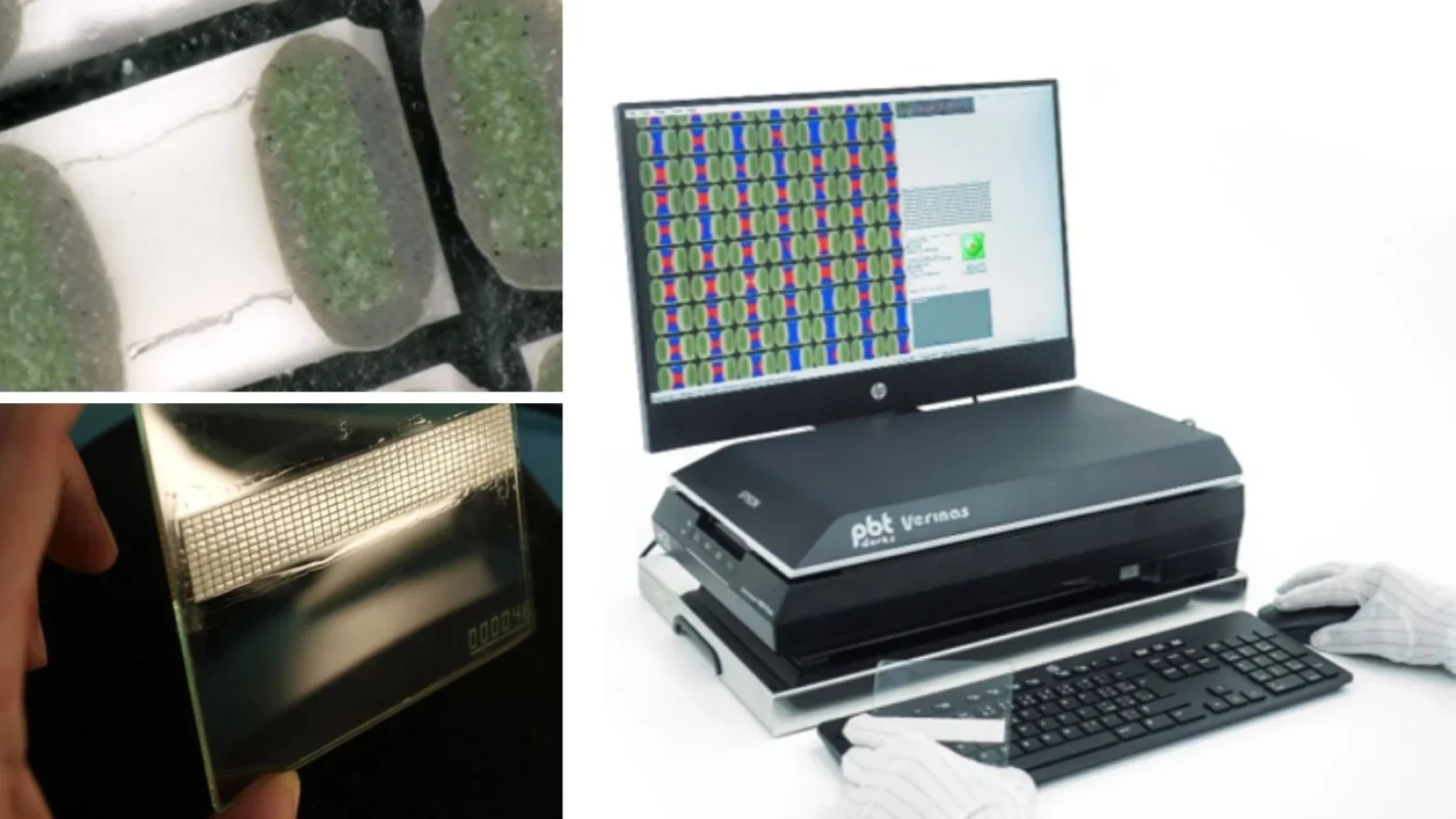
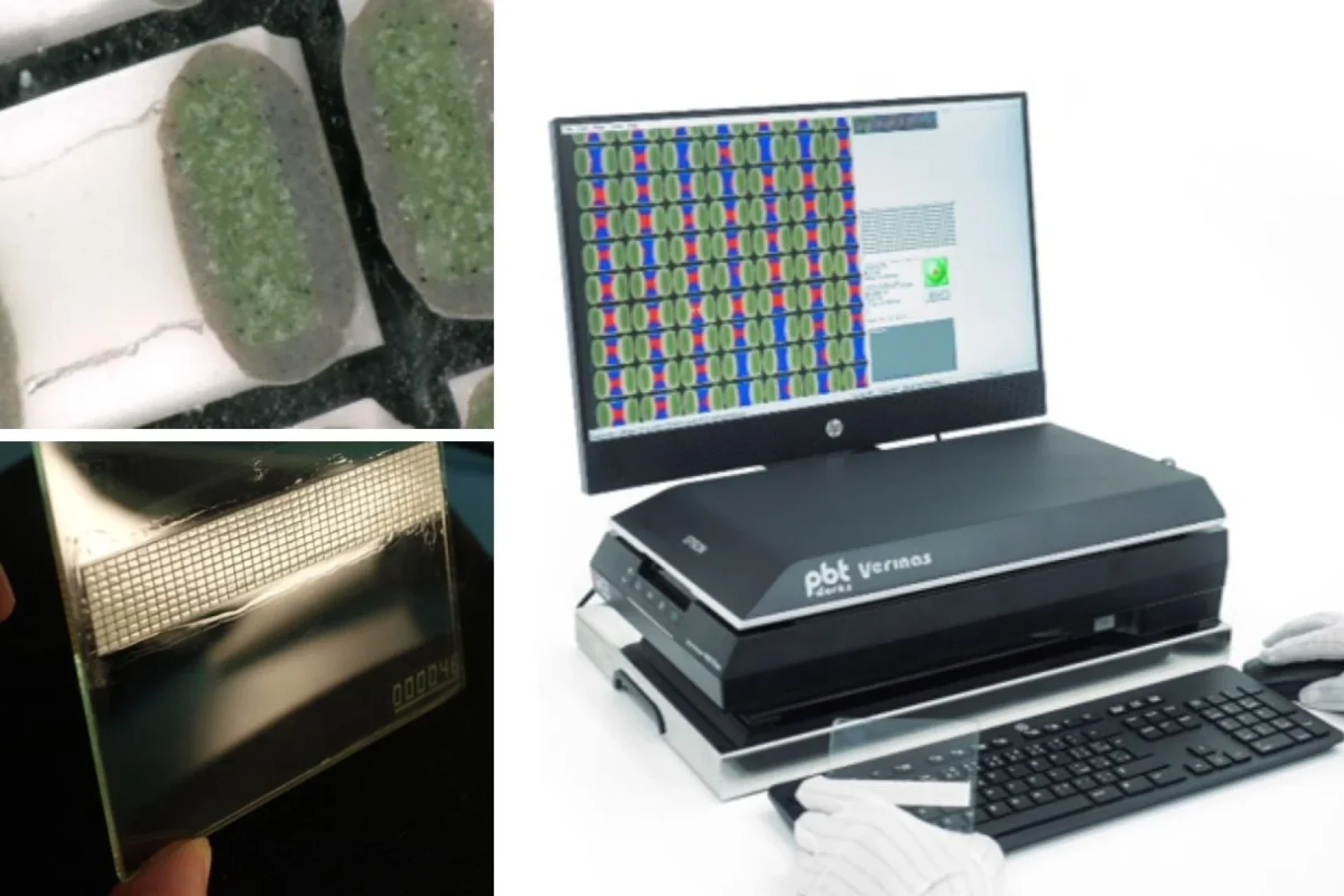
Reliable conformal coating starts with a clean and well-prepared PCB or PCBA surface. PBT Works helps electronics manufacturers evaluate contamination risks, optimize cleaning processes and improve long-term reliability before coating.

Reinigung Diagnostik 24

Reinigung Diagnostik

With our Cleaning Diagnostics, you can verify cleaning performance, identify process-related residues and support reliable coating preparation for demanding electronic assemblies.

Reinigung Diagnostik 24

FAQs: About Cleaning Before Conformal Coating

Cleaning removes flux residues, ionic contamination, oils, and particles that can reduce coating adhesion and increase the risk of corrosion beneath the protective layer.

If contamination remains on the surface, the coating may blister, peel, or allow moisture penetration. This can lead to hidden corrosion and long-term reliability failures.

Typical contaminants include:

  • Soldering flux residues
  • Ionic contamination
  • Dust and particles
  • Handling residues
  • Oils and greases
  • Process chemicals

Contamination creates weak bonding areas between the coating and PCB surface, reducing adhesion strength and allowing moisture to penetrate beneath the coating.

Yes. Moisture trapped beneath the coating can promote electrochemical corrosion, leakage currents, and electrical short circuits over time.

Electrochemical corrosion occurs when moisture, electrical bias, and ionic contamination combine to create conductive pathways and corrosion reactions on the PCB surface.

Absolutely. Proper cleaning significantly improves coating adhesion, moisture resistance, and the long-term durability of the protective layer.

Industries with high reliability requirements include:

  • Automotive electronics
  • Aerospace and defense
  • Medical electronics
  • Industrial automation
  • Telecommunications
  • Power electronics

Yes. Even no-clean flux residues can contain residues of ionic materials that negatively affect coating adhesion and long-term reliability under harsh environmental conditions.

Key benefits include:

  • Improved adhesion
  • Better environmental protection
  • Reduced corrosion risk
  • Enhanced insulation resistance
  • Longer product lifetime
Facebook
LinkedIn
X
Contact us to discuss the right cleaning process before conformal coating.

info@pbt-works.com
+420 572 153 111